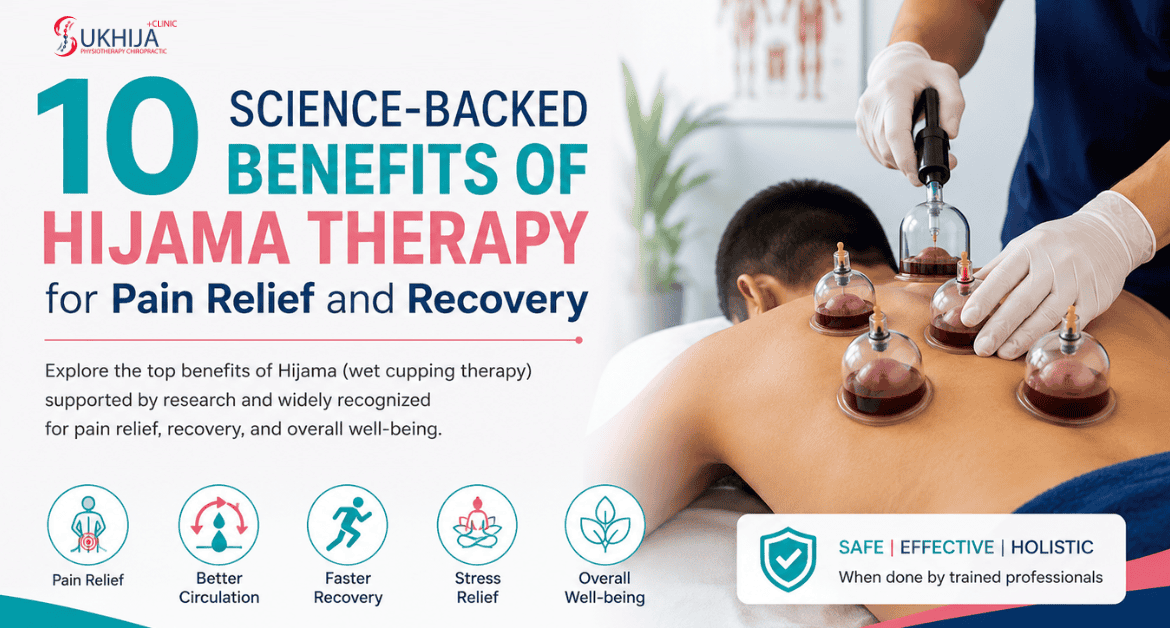
Hijama therapy, also known as wet cupping therapy, has been practiced for centuries across different cultures as a complementary healing approach. In recent years, interest in hijama has grown significantly as more people seek natural ways to support pain management, recovery, and overall well-being. While hijama should not be viewed as a replacement for medical treatment, emerging research and growing clinical interest have encouraged further exploration of its potential benefits. Many individuals seek hijama therapy for musculoskeletal pain, recovery support, stress management, and improved physical comfort.
This article explores ten commonly discussed benefits of hijama therapy, how the treatment works, and what current evidence suggests about its role in pain relief and recovery.
What Is Hijama Therapy?
While hijama is a form of cupping therapy, different cupping techniques may be used for various health concerns. For example, some practitioners use cupping therapy as part of a holistic approach for conditions such as navel displacement. Learn more about cupping therapy for navel displacement, its benefits, procedure, and what to expect.
How Does Hijama Therapy Work?
Researchers continue to study the mechanisms behind cupping therapy.
Some proposed explanations include:
- Increased local blood circulation
- Temporary stimulation of the nervous system
- Reduced muscle tension
- Activation of natural healing responses
- Improved tissue mobility
While more large-scale research is needed, these mechanisms may help explain why some individuals report symptom relief following treatment.
10 Potential Benefits of Hijama Therapy
1. May Help Reduce Muscular Pain and Tension
One of the most common reasons people seek hijama therapy is to address muscular discomfort.
Individuals experiencing:
- Neck pain
- Shoulder stiffness
- Upper back tension
- Lower back discomfort
often report temporary relief following treatment.
Improved circulation and reduced muscular tightness are frequently cited as possible contributing factors.
2. Supports Recovery After Physical Activity
Athletes and physically active individuals increasingly use various recovery techniques to support performance.
Hijama therapy is sometimes incorporated into recovery programs to help address:
- Muscle soreness
- Physical fatigue
- Training-related stiffness
When combined with proper exercise, mobility work, and physiotherapy, it may contribute to overall recovery efforts.
3. May Improve Local Blood Circulation
The suction created during cupping therapy increases blood flow to the treated area.
Improved circulation may help:
- Deliver oxygen to tissues
- Support nutrient transport
- Promote natural recovery processes
This is one of the most frequently discussed explanations for the perceived benefits of cupping therapy.
4. Can Complement Physiotherapy Treatment
Many people assume hijama and physiotherapy are competing approaches.
In reality, they can often work together.
Physiotherapy focuses on:
- Movement restoration
- Strengthening
- Functional rehabilitation
Hijama may be used as a complementary treatment to address muscular tightness and discomfort while rehabilitation exercises address the underlying issue.
5. May Help Manage Chronic Back Pain
Back pain is one of the most common reasons individuals seek complementary therapies.
Some people use hijama therapy as part of a broader pain management plan that may include:
- Physiotherapy
- Exercise
- Posture correction
- Mobility training
Because chronic pain is complex, treatment outcomes vary between individuals.
6. May Reduce Feelings of Physical Fatigue
Physical exhaustion and muscular heaviness are common complaints among individuals with demanding lifestyles.
Many hijama clients report feeling:
- Lighter
- More relaxed
- Less physically fatigued
after treatment sessions.
Although experiences vary, this is one reason hijama remains popular in many wellness communities.
7. Can Support Mobility and Flexibility
Muscular tightness often affects movement quality.
By helping reduce stiffness in targeted areas, hijama therapy may support:
- Improved mobility
- Better range of motion
- Increased physical comfort
This can be particularly helpful when combined with stretching and rehabilitation exercises.
8. May Promote Relaxation and Stress Relief
Physical stress and emotional stress often influence one another.
Many individuals describe hijama sessions as deeply relaxing and calming.
Potential contributing factors include:
- Reduced muscle tension
- Improved circulation
- Dedicated time for self-care
Managing stress effectively is an important part of overall health and recovery.
9. May Help Address Tension Headaches
Some individuals seek hijama therapy for tension-related headaches associated with:
- Neck stiffness
- Shoulder tension
- Poor posture
Addressing muscular tightness in surrounding areas may contribute to symptom relief for some people.
10. Supports a Holistic Approach to Well-Being
Many people choose hijama because it aligns with a broader wellness-focused lifestyle.
Alongside healthy habits such as:
- Regular exercise
- Balanced nutrition
- Quality sleep
- Stress management
hijama therapy can become part of a comprehensive self-care strategy.
Who May Consider Hijama Therapy?
People commonly explore hijama therapy for the following:
- Neck pain
- Back pain
- Shoulder stiffness
- Sports recovery
- Muscular tension
- Physical fatigue
- General wellness support
However, not everyone is a suitable candidate.
Consulting a qualified practitioner is essential before beginning treatment.
Is Hijama Therapy Safe?
When performed by trained professionals using proper hygiene protocols, hijama therapy is generally considered safe for many individuals.
However, it may not be appropriate for everyone.
Individuals with certain medical conditions, bleeding disorders, or other health concerns should seek professional advice before treatment.
Frequently Asked Questions About Hijama Therapy
What are the main hijama benefits?
Hijama is commonly used to support pain relief, recovery, circulation, mobility, relaxation, and general well-being.
Is wet cupping therapy painful?
Most individuals describe the treatment as mildly uncomfortable rather than painful. Experiences vary depending on the treatment area and personal sensitivity.
How often should hijama therapy be done?
Frequency depends on individual goals, symptoms, and practitioner recommendations.
Can hijama help with back pain?
Many people use hijama as part of a broader pain management strategy for back pain, often alongside physiotherapy and exercise.
What is the difference between dry cupping and wet cupping?
Dry cupping uses suction only, while wet cupping involves small superficial skin incisions followed by suction.
Can hijama replace physiotherapy?
No. Hijama and physiotherapy serve different purposes and are often most effective when used as complementary approaches.
Is hijama therapy scientifically proven?
Research into hijama therapy continues to evolve. While some studies suggest potential benefits for certain conditions, further high-quality research is needed.
How long do hijama marks last?
The temporary circular marks typically fade within several days to two weeks depending on the individual.
Conclusion
Hijama therapy continues to attract interest as a complementary approach to pain relief, recovery, and overall wellness. While experiences vary from person to person, many individuals report improvements in muscular comfort, relaxation, and physical recovery when treatment is performed by qualified practitioners. The most effective approach is to view hijama as one component of a broader health strategy that may include physiotherapy, exercise, mobility training, and healthy lifestyle habits.
Related Reading: What Is Cupping and Hijama Therapy? Benefits, Types, and How It Works Naturally