Table of Contents
- Introduction
- What Is Cupping and Hijama Therapy?
- How Does Cupping and Hijama Therapy Work Naturally?
- Types of Cupping and Hijama Therapy
Cupping and hijama therapy are ancient healing techniques that are becoming popular again in modern physiotherapy and wellness care. Many people now visit a cupping and hijama therapy center to get natural relief from pain, improve blood circulation, and support overall detoxification without heavy medications.
This therapy is widely recommended by many wellness experts and is often included in rehabilitation programs by the best physiotherapists in Mohali, especially for patients dealing with chronic pain, muscle stiffness, and stress-related conditions.
What Is Cupping and Hijama Therapy?
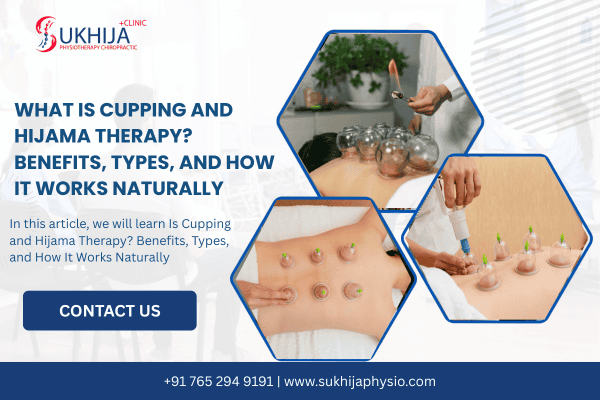
Cupping and Hijama therapies are natural treatment methods in which special cups are placed on the skin to create gentle suction. This suction helps improve blood flow, relax tight muscles, and promote healing in the affected areas.
Hijama (also known as wet cupping) includes a controlled therapeutic process where small, superficial incisions are made to remove stagnant or “impure” blood, while cupping (dry cupping) only uses suction without any blood extraction.
Both methods are widely practiced in a professional cupping and hijama therapy center under trained experts.
How Does Cupping and Hijama Therapy Work Naturally?
The therapy works on a simple natural principle: better circulation leads to better healing.
Here’s how it helps the body:
- The suction pulls blood toward the surface of the skin.
- It activates blood circulation in deep tissues.
- It helps remove toxins and metabolic waste
- It relaxes tight muscles and fascia.
- It stimulates the body’s natural healing response.
Due to these effects, many patients seek guidance from the best physiotherapist in Mohali to combine cupping with exercise therapy for faster recovery.
Types of Cupping and Hijama Therapy
At a professional cupping and hijama therapy center, different techniques are used depending on the patient’s condition:
1. Dry Cupping
This technique involves only suction without any incisions. It is mainly used for muscle pain, stiffness, and stress relief.
2. Wet Cupping (Hijama)
This method includes light skin pricking followed by suction. It is used for detoxification and removing stagnant blood.
3. Fire Cupping
Heat is used to create suction inside the cups. It is an ancient method still used in traditional therapy practices.
4. Massage Cupping
Cups are moved gently over the skin to provide a deep-tissue massage effect and improve lymphatic drainage.
Key Benefits of Cupping and Hijama Therapy
Visiting a professional cupping and hijama therapy center offers multiple health benefits:
1. Pain Relief
Helps reduce back pain, neck pain, shoulder stiffness, and joint discomfort.
2. Improved Blood Circulation
Boosts oxygen and nutrient flow to tissues, supporting faster healing.
3. Stress and Anxiety Reduction
Relaxes the nervous system and promotes deep relaxation.
4. Detoxification
Supports the body in removing waste materials and toxins naturally.
5. Faster Muscle Recovery
Helpful for athletes and physically active individuals.
6. Improved Mobility
Reduces stiffness and increases flexibility in muscles and joints.
Many patients combine this therapy under the guidance of the best physiotherapist in Mohali for long-term recovery results.
Who Can Benefit From Cupping Therapy?
Cupping and Hijama therapy are suitable for the following:
- People with chronic back or neck pain
- Office workers with posture-related issues
- Athletes with muscle fatigue
- Individuals with stress and fatigue
- Patients recovering from injuries
However, it should always be done in a certified cupping and hijama therapy center for safety and proper results.
What to Expect During a Session?
A typical session includes:
- Initial consultation and health assessment
- Selection of cupping method
- Placement of cups on targeted areas
- Suction for a specific time period
- Aftercare guidance for recovery
The process is generally safe, minimally uncomfortable, and performed under expert supervision.
Conclusion
Cupping and Hijama therapy are natural and effective ways to support healing, reduce pain, and improve overall body function. When performed at a professional cupping and hijama therapy center, it becomes a powerful part of holistic wellness care. Many patients also take advice from the best physiotherapist in Mohali to enhance their recovery journey through combined physiotherapy and cupping techniques.
At Sukhija Physiotherapy Clinic, patients receive expert-guided cupping and hijama therapy along with advanced physiotherapy care for safe, effective, and long-lasting results.
FAQs
1. Is cupping and hijama therapy painful?
Most patients feel mild pressure or suction, but the procedure is generally not painful when done correctly.
2. How many sessions are needed?
It depends on the condition. Some people feel relief after 1–3 sessions, while chronic cases may need more.
3. Are there any side effects?
Temporary skin marks or redness may appear, which usually fades within a few days.
4. Can everyone take this therapy?
Most people can, but those with certain medical conditions should consult a professional first.
5. What is the difference between cupping and hijama?
Cupping uses suction only, while hijama includes controlled blood extraction for detoxification.