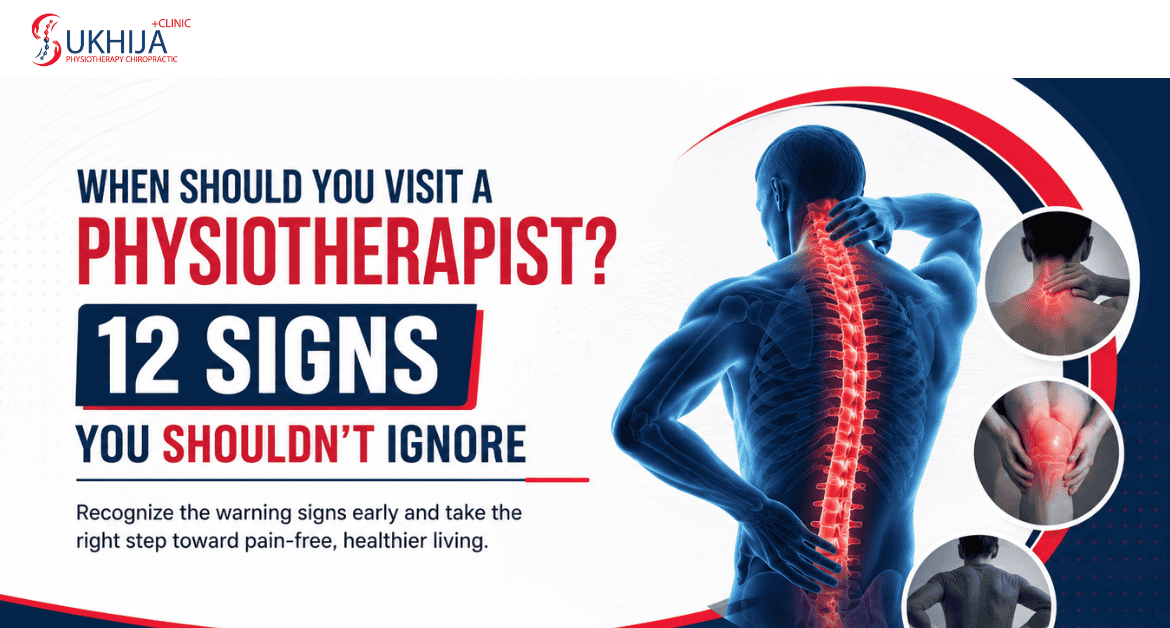
Many people assume that physiotherapy is only needed after a major injury, surgery, or accident. In reality, physiotherapy can help address a wide range of physical concerns long before they become serious enough to affect daily life. From persistent back pain and joint stiffness to sports injuries, posture-related discomfort, and mobility challenges, early intervention can often prevent minor issues from developing into long-term problems. Physiotherapy focuses on identifying the underlying cause of pain or movement restrictions and creating a personalized plan to improve function, strength, and overall well-being.
The challenge is that many people ignore the early warning signs their body provides. What starts as occasional discomfort can gradually affect work, sleep, exercise, and quality of life. Knowing when to seek professional help can make recovery faster, more effective, and less complicated. In this guide, we’ll explore 12 important signs that indicate it may be time to consult a physiotherapist and why early treatment can play a key role in your recovery.
Why Early Physiotherapy Matters
Many musculoskeletal problems start with mild symptoms that people often ignore. A slight stiffness in the neck, occasional back pain, or discomfort while walking may seem harmless initially. Over time, however, these issues can worsen and begin affecting daily activities, work performance, fitness goals, and overall quality of life.
According to the World Health Organization (WHO), musculoskeletal conditions are among the leading contributors to disability worldwide, highlighting the importance of early assessment and intervention when symptoms first appear.
Early physiotherapy treatment can help:
- Reduce pain naturally
- Improve mobility and flexibility
- Restore strength and function
- Prevent future injuries
- Improve posture and movement patterns
- Support faster recovery
- Enhance overall physical well-being
Addressing problems early often leads to better outcomes, shorter recovery times, and a reduced risk of developing chronic pain or long-term physical limitations. Understanding the benefits of early intervention is important, but recognizing the warning signs is equally essential. Here are 12 signs that may indicate it’s time to consult a physiotherapist.
1. Persistent Back Pain
Back pain is one of the most common reasons people seek physiotherapy care. Whether caused by prolonged sitting, poor posture, lifting heavy objects, or repetitive strain, ongoing back pain should never be ignored.
Common Symptoms:
- Pain while sitting or standing
- Stiffness in the lower back
- Difficulty bending forward
- Pain radiating to the hips or legs
A qualified physiotherapist can assess your condition and recommend targeted exercises, manual therapy techniques, and lifestyle modifications to improve recovery.
2. Neck Pain and Stiffness
Neck pain has become increasingly common due to modern lifestyles that involve prolonged screen time, desk-based work, and poor posture habits. Spending hours using computers, laptops, and mobile devices can place excessive strain on the muscles, joints, and soft tissues of the neck and upper spine.
Warning Signs:
- Frequent neck stiffness
- Pain while turning the head
- Shoulder tightness
- Discomfort after prolonged screen time
While occasional stiffness may seem harmless, persistent neck pain should not be ignored. Left untreated, it can contribute to chronic discomfort, reduced mobility, tension headaches, and postural problems. A physiotherapist can assess movement patterns, identify contributing factors, and recommend targeted exercises and treatment strategies to improve neck function and long-term comfort.
3. Frequent Headaches Linked to Muscle Tension
Not all headaches are caused by neurological conditions. In many cases, tension in the neck, shoulders, and upper back can contribute to recurring headaches. Poor posture, prolonged screen time, and muscle tightness often place additional strain on the cervical spine, which may trigger tension-related headaches.
Common Signs:
- Headaches after long hours of desk work
- Pain that starts in the neck and moves toward the head
- Tightness in the shoulders and upper back
- Headaches associated with poor posture
If you frequently experience headaches after working at a desk or spending extended time on digital devices, a physiotherapy assessment may help identify underlying musculoskeletal causes. Through posture correction, mobility exercises, and targeted rehabilitation techniques, physiotherapy treatment can help reduce muscle tension and address factors that may be contributing to recurring headaches.
4. Joint Pain That Doesn’t Improve
Occasional joint discomfort can occur after physical activity or minor strain. However, pain in the knees, shoulders, hips, ankles, or elbows that persists for several days or keeps returning may indicate an underlying issue that requires attention.
Potential Causes:
- Overuse injuries
- Joint inflammation
- Muscle imbalances
- Ligament strain
- Age-related wear and tear
Joint pain can make everyday activities such as walking, climbing stairs, lifting objects, or exercising more difficult. Ignoring persistent symptoms may lead to reduced mobility and further strain on surrounding muscles and joints.
Professional physiotherapy treatment can help identify the root cause of joint pain, improve joint mobility, strengthen supporting muscles, and restore normal movement patterns. Early intervention can also help prevent minor issues from developing into long-term functional limitations.
5. Limited Range of Motion
Do you find it difficult to:
- Raise your arms overhead?
- Turn your neck fully?
- Bend your knees comfortably?
- Perform everyday movements without stiffness?
A limited range of motion can affect simple daily activities such as reaching for objects, climbing stairs, exercising, or even getting out of bed comfortably. While occasional stiffness may occur after physical activity, persistent movement restrictions should not be ignored. Restricted movement may indicate muscle tightness, joint dysfunction, scar tissue formation, or underlying injuries affecting the body’s natural movement patterns. Left unaddressed, these limitations can place additional stress on surrounding muscles and joints, increasing the risk of pain and further dysfunction. Physiotherapy focuses on restoring normal movement patterns, improving flexibility, enhancing joint mobility, and helping individuals regain confidence in their everyday activities through personalized rehabilitation programs.
6. Recurring Sports Injuries
Athletes and physically active individuals often experience strains, sprains, and overuse injuries as a result of repetitive movements, improper training techniques, muscle imbalances, or inadequate recovery. While occasional injuries are common, recurring injuries may indicate an underlying issue that requires professional assessment.
Common Sports Injuries:
- Muscle strains
- Ligament sprains
- Tennis elbow
- Runner’s knee
- Shoulder injuries
- Ankle instability
Repeated injuries can affect performance, limit participation in physical activities, and increase the risk of long-term complications if left unaddressed. In many cases, the problem isn’t just the injury itself but the movement patterns, strength deficits, or biomechanical factors contributing to it.
According to the American Academy of Orthopaedic Surgeons (AAOS) Sports Injury Prevention Guide, proper conditioning, training techniques, and injury prevention strategies play an important role in reducing the risk of sports-related injuries and supporting long-term athletic performance.
A sports-focused physiotherapy treatment and rehabilitation program can help identify the root cause of recurring injuries, improve strength and flexibility, restore proper movement mechanics, and reduce the risk of future setbacks. This allows individuals to return to sports and physical activities safely and with greater confidence.
7. Pain After an Accident or Fall
Even minor accidents can result in injuries that may not become apparent immediately. While some symptoms develop right away, others may take hours or even days to become noticeable. Ignoring these warning signs can sometimes lead to prolonged discomfort, reduced mobility, and delayed recovery.
Whether you’ve experienced:
- A road accident
- A workplace injury
- A sports collision
- A slip or fall
After an accident, it is important to monitor symptoms such as pain, swelling, stiffness, bruising, weakness, or limited movement. Even if the injury appears minor, underlying muscle, joint, ligament, or soft tissue damage may be present.
Seeking early physiotherapy treatment can help identify hidden movement restrictions, support the healing process, restore mobility, and reduce the risk of long-term complications. A personalized rehabilitation plan can also help individuals safely return to their daily activities, work, or sports routines with confidence.
8. Difficulty Walking or Maintaining Balance
Balance issues can affect people of all ages and should never be ignored. While occasional unsteadiness may occur due to fatigue or temporary weakness, frequent balance problems can increase the risk of falls and may indicate underlying issues affecting the muscles, joints, nerves, or vestibular system.
Signs Include:
- Frequent stumbling
- Unsteady walking
- Leg weakness
- Difficulty climbing stairs
- Fear of falling
Difficulty maintaining balance can make everyday activities more challenging and may reduce confidence in movement, especially among older adults or individuals recovering from an injury. Over time, these issues can impact independence and overall quality of life.
A physiotherapist can evaluate gait patterns, coordination, muscle strength, and balance to identify contributing factors. Through targeted physiotherapy treatment and rehabilitation exercises, individuals can improve stability, enhance mobility, reduce fall risk, and regain confidence in their daily activities.
9. Recovery After Surgery
Recovering from surgery is often a gradual process that requires more than just rest. While surgical procedures may address the underlying problem, restoring strength, mobility, flexibility, and normal function typically requires a structured rehabilitation plan. This is where physiotherapy plays a vital role in supporting recovery and helping patients regain independence.
Physiotherapy Is Commonly Recommended After:
- Knee replacement surgery
- Hip replacement surgery
- Fracture repair
- Spine surgery
- Ligament reconstruction
Following surgery, many individuals experience pain, stiffness, muscle weakness, swelling, or difficulty performing everyday activities. Without proper rehabilitation, recovery may take longer and movement limitations can persist.
A structured physiotherapy treatment and rehabilitation program can help improve mobility, rebuild strength, restore joint function, and support a safe return to daily activities. Early intervention also helps patients regain confidence in their movements while reducing the risk of complications and future injuries.
10. Numbness, Tingling, or Radiating Pain
Symptoms such as numbness, tingling, burning sensations, or pain travelling down the arms or legs may indicate nerve involvement. These symptoms are often more than temporary discomfort and can be a sign of nerve irritation, compression, or dysfunction affecting normal movement and sensation.
Common Conditions:
- Sciatica
- Cervical radiculopathy
- Disc-related issues
- Nerve compression syndromes
Depending on the underlying cause, these symptoms may worsen during prolonged sitting, standing, walking, or certain movements. Some individuals may also experience muscle weakness, reduced grip strength, or difficulty performing routine activities.
Ignoring persistent numbness or radiating pain can lead to ongoing discomfort and may affect mobility, strength, and overall quality of life. A thorough physiotherapy assessment can help identify contributing factors, address movement dysfunctions, and develop a personalized physiotherapy treatment plan to reduce symptoms and improve function.
11. Poor Posture Affecting Daily Activities
Poor posture has become increasingly common among students, office workers, and remote professionals who spend long hours sitting, working on computers, or using mobile devices. Over time, poor posture can place excessive strain on the muscles, joints, and spine, leading to discomfort and movement-related issues.
Signs of Postural Dysfunction:
- Rounded shoulders
- Forward head posture
- Upper back discomfort
- Muscle tightness
- Fatigue during prolonged sitting
While poor posture may seem like a minor concern, it can contribute to chronic neck pain, back pain, headaches, reduced flexibility, and muscle imbalances if left unaddressed. These issues can gradually affect productivity, physical performance, and overall quality of life.
Physiotherapy treatment can help identify postural imbalances, strengthen supporting muscles, improve body mechanics, and promote healthier movement patterns. With the right exercises and posture correction strategies, individuals can reduce strain on the spine and joints while improving comfort during everyday activities.
12. Chronic Pain Lasting More Than a Few Weeks
Pain that persists for several weeks should never be ignored. While minor aches and discomfort may improve with rest, ongoing pain often signals an underlying issue that requires professional evaluation and treatment. The longer chronic pain continues, the greater its impact on physical function, mobility, and overall quality of life.
Chronic Pain May Affect:
- Daily activities
- Sleep quality
- Work performance
- Physical fitness
- Mental well-being
Chronic pain can develop from a variety of conditions, including musculoskeletal injuries, joint dysfunction, nerve-related issues, poor posture, or repetitive strain. Over time, persistent discomfort may lead to reduced activity levels, muscle weakness, and movement compensations that can worsen the problem.
Seeking timely physiotherapy treatment can help identify the root cause of pain, improve movement patterns, restore physical function, and support long-term recovery. Early assessment and intervention often lead to better outcomes and can help prevent the condition from becoming more difficult to manage over time.
How to Know If You Need Physiotherapy
You may benefit from consulting a physiotherapist if you experience:
- Persistent back or neck pain
- Joint stiffness
- Reduced flexibility
- Sports injuries
- Difficulty walking
- Poor posture
- Recurring headaches
- Balance issues
- Recovery after surgery
- Chronic pain lasting several weeks
Early intervention often leads to faster recovery and better long-term outcomes.
Frequently Asked Questions
Can physiotherapy help without surgery?
Yes. Many musculoskeletal conditions respond well to conservative approaches, including exercise therapy, manual therapy, posture correction, and movement rehabilitation.
How soon should I see a physiotherapist after an injury?
It’s generally beneficial to seek professional assessment as early as possible, especially if pain, swelling, or movement restrictions persist.
Is physiotherapy only for older adults?
No. Physiotherapy benefits people of all ages, including children, athletes, working professionals, and seniors.
Can physiotherapy improve posture?
Yes. Posture correction is a common focus of physiotherapy and can help reduce neck pain, back pain, and muscle tension.
How do I choose the right physiotherapist?
Look for a qualified and experienced professional who offers evidence-based treatment plans tailored to your condition and recovery goals. If you’ve been searching online for the best physiotherapist in Mohali, consider factors such as experience, patient reviews, treatment approach, and the range of rehabilitation services offered.
Final Thoughts
Ignoring pain, stiffness, restricted movement, or recurring injuries can often lead to more serious problems over time. The body usually provides warning signs before a condition becomes severe, and recognizing these signs early can make a significant difference in recovery. Whether you’re experiencing back pain, joint discomfort, mobility limitations, sports injuries, or post-surgical challenges, timely physiotherapy treatment can help restore function, improve movement, and support long-term physical health. If you’re looking for a trusted physiotherapist in Mohali , seeking professional guidance at the right time can help you recover faster and return to your daily activities with greater comfort, confidence, and mobility.