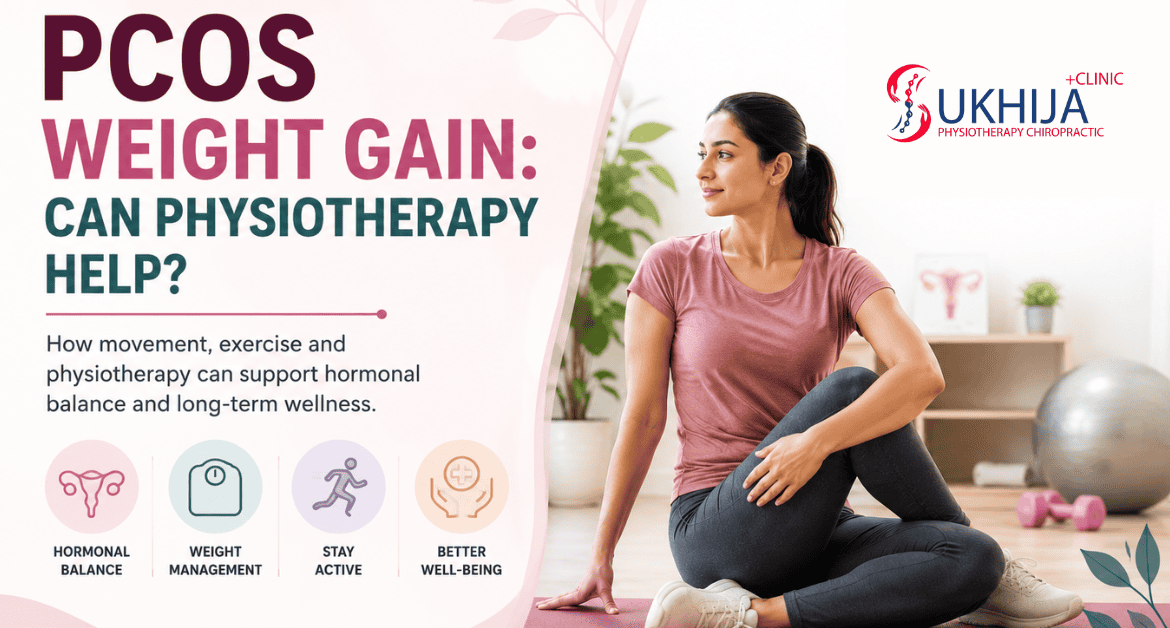
Have you been trying to stay active but still find it difficult to manage your weight with PCOS? You’re not alone. Polycystic Ovary Syndrome (PCOS) is one of the most common hormonal conditions affecting women during their reproductive years. According to the World Health Organization (WHO), PCOS affects an estimated 10–13% of women of reproductive age worldwide and is associated with hormonal imbalances, insulin resistance, obesity, and long-term metabolic health concerns.
While nutrition, sleep, and medical care play important roles in managing PCOS, physical activity is often an overlooked part of the equation. Unfortunately, modern lifestyles involve long hours of sitting, desk-based work, screen time, and reduced daily movement, all of which can make PCOS symptoms more challenging to manage.
In this guide, we’ll explore how a sedentary lifestyle can influence PCOS symptoms, why movement matters, and how physiotherapy can support women in building sustainable exercise habits for long-term health.
Understanding the Connection Between PCOS and Weight Gain
PCOS is more than a reproductive health condition. It also affects metabolism, hormones, and the body’s ability to regulate insulin effectively.
According to the WHO, women with PCOS are at increased risk of insulin resistance, obesity, and type 2 diabetes. Insulin resistance can cause the body to produce higher levels of insulin, which may contribute to increased fat storage and make weight management more difficult.
Common factors contributing to weight gain in women with PCOS include:
- Insulin resistance
- Hormonal imbalances
- Reduced physical activity
- Chronic stress
- Poor sleep quality
- Sedentary work habits
It’s important to understand that weight gain associated with PCOS is not simply about eating habits or willpower. The condition often involves complex hormonal and metabolic changes that require a holistic approach.
Why Losing Weight with PCOS Can Feel More Difficult
Many women become frustrated when they follow healthy lifestyle habits but still struggle to lose weight.
This happens because PCOS can affect how the body processes glucose, stores fat, and regulates hormones. Even small lifestyle changes may take longer to produce visible results compared to someone without PCOS.
Women may also experience:
- Increased hunger and cravings
- Reduced energy levels
- Difficulty maintaining exercise routines
- Mood fluctuations
- Stress-related eating patterns
Rather than focusing on rapid weight loss, health professionals generally recommend building sustainable habits that support long-term metabolic health and overall well-being. Healthy eating and regular physical activity remain important parts of PCOS management.
How a Sedentary Lifestyle Can Worsen PCOS Symptoms
Modern lifestyles encourage sitting for extended periods. Whether you’re working from home, studying, driving, or spending time on digital devices, prolonged inactivity can negatively impact overall health.
For women with PCOS, excessive sitting may contribute to several challenges.
Reduced Energy Expenditure
When daily movement decreases, the body burns fewer calories throughout the day, making weight management more difficult.
Increased Insulin Resistance
Physical activity helps muscles utilize glucose more effectively. Prolonged sitting may negatively impact insulin sensitivity over time.
Muscle Weakness and Reduced Fitness
A sedentary lifestyle often leads to reduced muscle strength, decreased endurance, and lower overall fitness levels.
Postural Problems and Pain
Long hours of sitting may contribute to:
- Neck pain
- Back pain
- Shoulder stiffness
- Hip tightness
- Reduced mobility
These issues can make exercise less comfortable and reduce motivation to stay active.
Why Exercise Matters in PCOS Management
Exercise is not a cure for PCOS, but it plays an important role in supporting overall health.
Regular physical activity may help:
- Improve insulin sensitivity
- Support healthy weight management
- Improve cardiovascular health
- Increase energy levels
- Reduce stress
- Improve sleep quality
- Enhance mood and confidence
The goal isn’t perfection. Consistency is often far more effective than extreme workout plans that are difficult to maintain.
The Role of Physiotherapy in PCOS Management
Many people associate physiotherapy with injury recovery, but physiotherapists also help individuals improve movement quality, strength, mobility, and overall physical function.
For women with PCOS, physiotherapy may help by:
Assessing Physical Limitations
Joint discomfort, posture-related issues, muscle weakness, and mobility restrictions can make physical activity more challenging.
Developing Individualized Exercise Programs
Every woman’s body, lifestyle, and health goals are different. A physiotherapist can help create a structured exercise plan tailored to individual needs.
Improving Movement Confidence
Many women are unsure where to begin when starting an exercise routine. Professional guidance can make physical activity feel more achievable.
Encouraging Sustainable Lifestyle Changes
Long-term success often comes from realistic, consistent habits rather than short-term fitness challenges.
Physiotherapist’s Perspective on PCOS and Movement
From a physiotherapy perspective, the primary goal is not simply weight loss.
Instead, the focus is on helping women:
- Move comfortably
- Improve strength
- Increase daily activity levels
- Reduce sedentary behaviour
- Build sustainable exercise habits
Many women benefit from starting with simple interventions such as:
- Walking programs
- Mobility exercises
- Postural correction
- Strength training
- Core conditioning
- Pelvic floor rehabilitation when needed
The most effective exercise plan is often the one that can be maintained consistently over time.
Simple Ways Women with PCOS Can Stay Active
You don’t need expensive gym memberships or intense workout programs to start moving more.
Take Movement Breaks Every Hour
If you spend most of your day sitting, stand up and move every hour.
Simple activities include:
- Walking around your workspace
- Gentle stretching
- Climbing stairs
- Mobility exercises
Prioritize Walking
Walking is one of the simplest and most accessible forms of exercise.
A brisk 20–30 minute walk can support cardiovascular health, improve fitness, and help reduce the effects of prolonged sitting.
Include Strength Training
Building muscle mass may support metabolic health and improve insulin sensitivity.
Examples include:
- Squats
- Glute bridges
- Wall push-ups
- Resistance band exercises
Focus on Consistency
Small daily efforts often produce better long-term results than occasional intense workouts.
Don’t Overlook Pelvic Floor Health
When discussing PCOS, many women focus on hormonal symptoms but overlook the importance of pelvic health.
Strong pelvic floor muscles contribute to bladder control, posture, core stability, and overall movement efficiency. If you’d like to learn more, read our guide on pelvic floor muscle health and core stability.
Women experiencing bladder leakage or urinary symptoms may also benefit from understanding physiotherapy support for urinary incontinence, as pelvic floor rehabilitation plays an important role in women’s health.
Managing Period Pain Alongside PCOS
Painful periods can make it harder to stay physically active.
Fortunately, movement-based strategies and physiotherapy techniques may help improve comfort during menstruation. Our article on natural physiotherapy approaches for period pain relief explores how posture correction, mobility exercises, and therapeutic interventions can support menstrual health.
The Importance of Comprehensive Women’s Health Physiotherapy
PCOS affects more than reproductive health.
It can influence posture, activity levels, mobility, pelvic health, and overall quality of life. Women seeking broader support can also explore our guide on women’s health physiotherapy for PCOS and hormonal wellness, which discusses pelvic health, pregnancy care, and long-term wellness strategies.
Women who experience symptoms such as pelvic heaviness, discomfort, or weakness may also benefit from understanding the signs of pelvic floor dysfunction in women and seeking timely professional guidance.
Frequently Asked Questions
Can physiotherapy help women with PCOS?
Physiotherapy can help women become more active, improve strength, address movement limitations, and establish sustainable exercise habits that support overall health.
What is the best exercise for PCOS?
There is no single best exercise. A combination of walking, strength training, mobility exercises, and regular physical activity is often recommended.
Can sitting too much worsen PCOS symptoms?
Prolonged sitting may contribute to reduced fitness levels, poor metabolic health, and increased difficulty managing weight.
How much exercise should women with PCOS do?
Exercise recommendations vary between individuals. A healthcare professional can help determine an appropriate activity plan based on personal health status and goals.
Can exercise improve insulin resistance in PCOS?
Regular physical activity may help improve insulin sensitivity and support better metabolic health when combined with healthy lifestyle habits.
Final Thoughts
Living with PCOS can feel overwhelming, particularly when weight management becomes a recurring challenge. However, meaningful improvements often begin with small and sustainable lifestyle changes.
Reducing prolonged sitting, increasing daily movement, building strength, and improving overall fitness can support long-term health and well-being. The focus should not be on quick fixes but on creating habits that can be maintained consistently.
Women experiencing PCOS-related joint discomfort, reduced mobility, posture-related concerns, or difficulty maintaining regular physical activity may benefit from professional physiotherapy support. Seeking guidance from experienced women’s health professionals, including some of the best physiotherapists in Chandigarh, can help create an individualized exercise program aligned with personal health goals.