
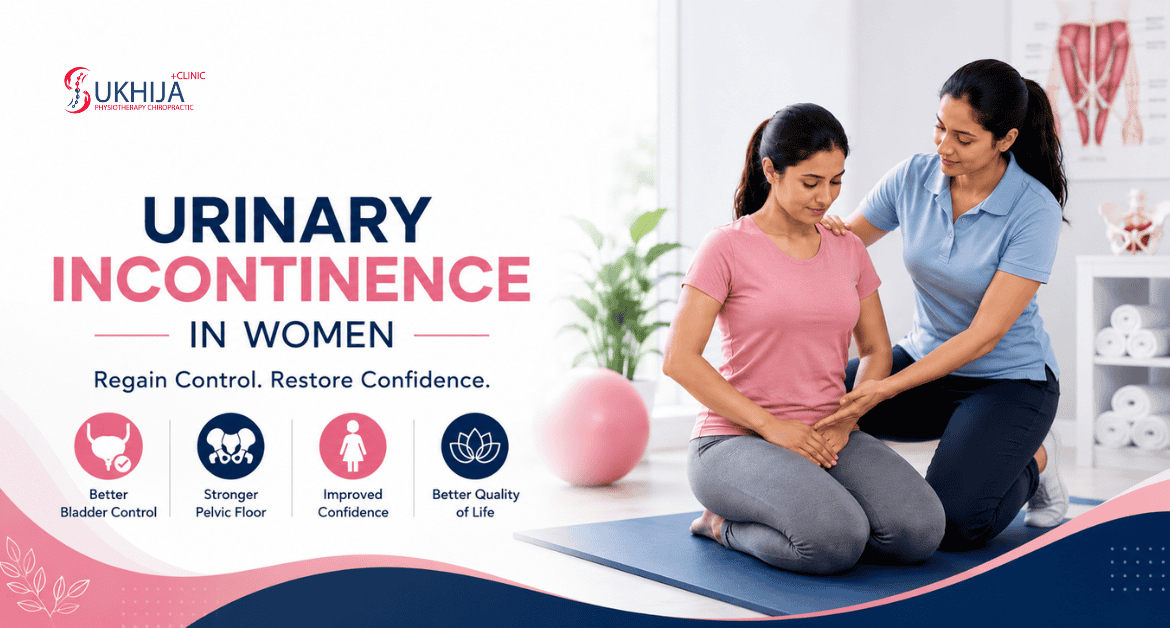
Urinary incontinence, commonly known as bladder leakage, affects millions of women worldwide. Despite being a common condition, many women hesitate to seek help because they feel embarrassed or believe that urine leakage is simply a normal part of aging, pregnancy, or childbirth. The truth is that while urinary incontinence becomes more common during different stages of life, it is not something you have to live with.
Bladder leakage can interfere with everyday activities, exercise, work, travel, and even social interactions. Some women avoid laughing, coughing, or participating in physical activities because they worry about accidental urine leakage. Over time, this can affect emotional well-being, confidence, and overall quality of life.
Fortunately, modern physiotherapy offers safe, non-invasive, and evidence-based treatment options. Pelvic floor physiotherapy focuses on identifying the root cause of bladder leakage and developing a personalized treatment plan that improves bladder control, strengthens the pelvic floor muscles, and helps women regain confidence in their daily lives.
Since healthy pelvic floor muscles play a vital role in bladder control, understanding how these muscles function is an important first step.
In this guide, we’ll explain the different types of urinary incontinence, common symptoms, causes, diagnosis, treatment options, and how pelvic floor physiotherapy can help women manage bladder leakage naturally.
What Is Urinary Incontinence?
Urinary incontinence refers to the unintentional leakage of urine due to a loss of bladder control. It is a symptom rather than a disease itself and may occur because of weakened pelvic floor muscles, nerve-related problems, hormonal changes, pregnancy, childbirth, or certain medical conditions.
The bladder stores urine until the brain signals that it is time to empty it. During this process, the pelvic floor muscles, urethral sphincter, bladder muscles, and nervous system work together to maintain continence. When any part of this system becomes weak or dysfunctional, urine leakage may occur.
Although urinary incontinence is more common among women, it is not an inevitable part of aging. Many cases improve significantly with early assessment, lifestyle modifications, and pelvic floor physiotherapy.
Quick Facts About Urinary Incontinence
- Affects women of all ages, not just older adults.
- Pregnancy and childbirth can increase the risk.
- Menopause may weaken pelvic floor tissues.
- Obesity, chronic constipation, and chronic coughing can contribute to bladder leakage.
- Early physiotherapy may reduce symptoms and improve quality of life without surgery.
Types of Urinary Incontinence
Understanding the type of urinary incontinence helps determine the most appropriate treatment.
1. Stress Urinary Incontinence
Stress urinary incontinence occurs when physical activities increase pressure inside the abdomen, causing urine to leak. This is one of the most common types seen in women.
Common triggers include:
- Coughing
- Sneezing
- Laughing
- Jumping
- Running
- Lifting heavy objects
- Exercise
Weak pelvic floor muscles and reduced support around the urethra are often contributing factors.
2. Urge Urinary Incontinence
Urge urinary incontinence is characterized by a sudden, intense urge to urinate followed by involuntary urine leakage before reaching the toilet.
Women may also experience:
- Frequent urination
- Waking up multiple times at night to urinate
- Difficulty postponing urination
This type is commonly associated with an overactive bladder.
3. Mixed Urinary Incontinence
Mixed urinary incontinence combines features of both stress and urge incontinence. Women may experience leakage during physical activity as well as episodes of sudden urgency.
Treatment often addresses both underlying muscle weakness and bladder training.
4. Overflow Incontinence
Overflow incontinence occurs when the bladder does not empty completely, leading to frequent dribbling of urine. Although less common in women, it may occur due to nerve-related disorders or bladder outlet obstruction.
5. Functional Incontinence
Functional incontinence is not caused by bladder dysfunction itself but by physical or cognitive limitations that prevent a person from reaching the toilet in time.
Examples include severe arthritis, mobility issues, or neurological conditions.
Common Symptoms of Urinary Incontinence
Symptoms vary depending on the underlying cause but may include:
- Accidental urine leakage
- Leakage while coughing, sneezing, or laughing
- Frequent urge to urinate
- Difficulty delaying urination
- Waking up multiple times during the night to urinate
- Feeling that the bladder does not empty completely
- Leakage during exercise or physical activity
- Fear of leaving home because of bladder accidents
Many women experiencing bladder leakage also notice other symptoms of pelvic floor dysfunction, such as pelvic heaviness, reduced core strength, lower back discomfort, or pelvic pain. These symptoms may indicate that the pelvic floor muscles require professional assessment.
What Causes Urinary Incontinence in Women?
Urinary incontinence often develops because several factors affect the bladder, pelvic floor muscles, connective tissues, and nervous system.
Pregnancy
During pregnancy, the growing baby places additional pressure on the bladder and pelvic floor muscles. Hormonal changes also soften connective tissues, making bladder leakage more likely.
Childbirth
Vaginal delivery can stretch the pelvic floor muscles and supporting tissues. Prolonged labor, forceps delivery, or larger babies may increase the risk of pelvic floor weakness.
Although many women recover naturally, some continue to experience bladder leakage months or even years after childbirth.
Menopause
Declining estrogen levels after menopause can reduce tissue elasticity around the bladder and urethra, contributing to urinary incontinence.
Aging
As women age, muscles naturally lose strength, including those supporting the bladder and pelvic organs. However, age alone should not be considered the sole cause of bladder leakage.
Chronic Constipation
Repeated straining during bowel movements increases pressure on the pelvic floor muscles over time. This constant strain can weaken pelvic support structures and contribute to urinary incontinence.
Obesity
Excess body weight places additional pressure on the bladder and pelvic floor muscles, increasing the likelihood of stress urinary incontinence.
High-Impact Exercise
Sports involving repetitive jumping or heavy lifting may place increased stress on the pelvic floor, particularly if the muscles are not functioning optimally.
Chronic Cough
Conditions that cause persistent coughing, such as smoking-related lung disease or asthma, repeatedly increase abdominal pressure and may weaken pelvic floor support over time.
Pelvic Surgery
Previous gynecological surgeries, including hysterectomy, may alter pelvic support structures in some women and contribute to bladder control problems.
Who Is Most at Risk of Urinary Incontinence?
Although urinary incontinence can affect women of any age, certain factors increase the likelihood of developing bladder control problems.
You may be at a higher risk if you:
- Are pregnant or have recently given birth
- Have had multiple vaginal deliveries
- Are going through menopause
- Are overweight or obese
- Experience chronic constipation
- Have a persistent cough due to smoking or respiratory conditions
- Frequently participate in high-impact sports or heavy lifting
- Have undergone pelvic or gynecological surgery
- Have diabetes or neurological conditions that affect bladder function
- Have a family history of pelvic floor disorders
Being at risk does not mean urinary incontinence is inevitable. Early assessment and preventive pelvic floor physiotherapy can significantly reduce the chances of symptoms worsening.
How Is Urinary Incontinence Diagnosed?
Accurate diagnosis is the first step toward effective treatment. A women’s health physiotherapist or healthcare provider will evaluate your symptoms and identify the underlying cause of bladder leakage.
The assessment may include:
Medical History
Your physiotherapist will ask about:
- When urine leakage started
- How often it occurs
- Activities that trigger leakage
- Pregnancy and childbirth history
- Previous surgeries
- Current medications
- Fluid intake habits
- Bowel function
- Exercise routine
Bladder Diary
You may be asked to record:
- Fluid intake
- Frequency of urination
- Leakage episodes
- Urgency symptoms
- Night-time bathroom visits
This helps identify patterns and guide treatment.
Physical Assessment
A physiotherapy assessment may include evaluation of:
- Pelvic floor muscle strength
- Core muscle activation
- Breathing mechanics
- Posture
- Hip and lower back mobility
- Pelvic alignment
- Functional movements
Where appropriate and with your consent, a pelvic floor assessment may also be recommended to better understand muscle strength, coordination, and relaxation.
Can Pelvic Floor Physiotherapy Help Urinary Incontinence?
Yes. Pelvic floor physiotherapy is considered one of the most effective conservative treatments for many types of urinary incontinence, particularly stress and mixed urinary incontinence.
Rather than simply treating the symptoms, physiotherapy aims to address the underlying causes of bladder leakage by improving muscle strength, coordination, breathing patterns, posture, and bladder habits.
A personalized rehabilitation program may help:
- Improve bladder control
- Reduce urine leakage
- Strengthen the pelvic floor muscles
- Improve core stability
- Restore confidence during daily activities
- Reduce the need for surgery in appropriate cases
- Support recovery after pregnancy and childbirth
Every treatment plan is individualized based on your assessment findings, lifestyle, and goals.
Did You Know?
Pelvic floor physiotherapy is a key component of women’s health physiotherapy guide, which also supports women experiencing pregnancy-related discomfort, pelvic pain, postpartum recovery, and other pelvic floor conditions.
How Pelvic Floor Physiotherapy Works
Treatment focuses on improving the function of the muscles and structures that support the bladder.
1. Pelvic Floor Muscle Training
Pelvic floor muscle exercises are designed to improve the strength, endurance, and coordination of the muscles responsible for supporting the bladder and controlling urine flow.
Your physiotherapist will teach you the correct technique because many women unknowingly perform these exercises incorrectly.
2. Bladder Retraining
Bladder retraining gradually increases the time between bathroom visits, helping reduce urgency and improve bladder capacity.
This technique is particularly helpful for urge urinary incontinence.
3. Breathing and Core Rehabilitation
The diaphragm, abdominal muscles, and pelvic floor work together as a team.
Learning proper breathing techniques and activating the deep core muscles can improve pressure management during lifting, coughing, sneezing, and exercise.
4. Manual Therapy
If muscle tightness, scar tissue, or pelvic muscle imbalance contributes to symptoms, gentle manual therapy techniques may help improve mobility and muscle function.
5. Lifestyle Education
Physiotherapy also includes practical advice on:
- Fluid intake
- Healthy bladder habits
- Toilet posture
- Constipation management
- Safe lifting techniques
- Exercise modifications
Education empowers women to manage symptoms more effectively in everyday life.
Pelvic Floor Exercises That May Help Improve Bladder Control
Exercises should always be tailored to the individual’s condition. A physiotherapist will determine which exercises are most appropriate based on your symptoms and assessment.
Common exercises may include:
Pelvic Floor Muscle Contractions (Kegels)
These exercises involve gently contracting and relaxing the pelvic floor muscles to improve their strength and endurance.
Consistency and proper technique are more important than performing a large number of repetitions.
Diaphragmatic Breathing
Deep breathing helps coordinate the diaphragm and pelvic floor, reducing unnecessary tension and improving muscle function.
Bridge Exercise
The bridge strengthens the gluteal muscles and core while encouraging coordinated pelvic floor activation.
Heel Slides
Heel slides improve deep abdominal control without placing excessive strain on the pelvic floor.
Transverse Abdominis Activation
Strengthening the deep abdominal muscles provides additional support for the spine and pelvis while working together with the pelvic floor.
Important: Pelvic floor exercises are not suitable for everyone. In some women, the pelvic floor muscles may be overly tight rather than weak. A professional assessment helps ensure you receive the right treatment for your specific condition.
Lifestyle Changes That Support Bladder Health
Simple daily habits can complement physiotherapy and improve bladder function.
Stay Hydrated
Avoid drastically reducing water intake. Concentrated urine may irritate the bladder and increase urgency.
Manage Constipation
Eating a fiber-rich diet, staying hydrated, and maintaining regular bowel habits reduces unnecessary strain on the pelvic floor.
Maintain a Healthy Weight
Reducing excess body weight decreases pressure on the bladder and pelvic floor muscles.
Reduce Bladder Irritants
Some people find that limiting excessive caffeine, carbonated beverages, or alcohol helps reduce urgency symptoms.
Stop Smoking
Smoking contributes to chronic coughing, which repeatedly increases pressure on the pelvic floor.
Stay Physically Active
Regular low-impact exercise supports overall health without placing excessive strain on the pelvic floor.
Urinary Incontinence After Pregnancy
Many women experience temporary bladder leakage during pregnancy or after childbirth.
Common reasons include:
- Stretching of the pelvic floor muscles
- Hormonal changes
- Increased pressure from pregnancy
- Vaginal delivery
- Reduced muscle coordination after birth
The good news is that many women benefit from early pelvic floor rehabilitation.
Postpartum physiotherapy focuses on:
- Restoring pelvic floor strength
- Improving core stability
- Supporting healing
- Returning safely to exercise
- Preventing long-term pelvic floor dysfunction
Seeking assessment soon after delivery can help identify issues early and support recovery.
Can Urinary Incontinence Affect Sexual Health?
Yes. Bladder leakage can affect confidence, intimacy, and emotional well-being.
Some women also experience:
- Pelvic pain
- Vaginal muscle tightness
- Fear of urine leakage during intimacy
- Reduced confidence
- Pain during sexual activity
Because these symptoms may be related to pelvic floor dysfunction, comprehensive pelvic floor rehabilitation may improve both bladder control and pelvic health.
When Should You Visit a Women’s Health Physiotherapist?
Consider seeking professional assessment if you:
- Leak urine regularly
- Avoid exercise due to bladder leakage
- Experience sudden urgency that affects daily life
- Wake multiple times at night to urinate
- Continue experiencing leakage months after childbirth
- Feel heaviness or pressure in the pelvic region
- Experience pelvic pain alongside bladder symptoms
- Notice that symptoms are becoming more frequent or severe
Early intervention often leads to better outcomes and may prevent symptoms from worsening.
Frequently Asked Questions (FAQs)
1. Can physiotherapy help urinary incontinence?
Yes. Pelvic floor physiotherapy is one of the recommended conservative treatments for many types of urinary incontinence. It focuses on strengthening or relaxing the pelvic floor muscles (depending on individual needs), improving bladder habits, enhancing core stability, and restoring muscle coordination. Many women experience reduced leakage and improved confidence after following a personalized physiotherapy program.
2. Is urinary incontinence normal after pregnancy?
Mild bladder leakage can occur during pregnancy and after childbirth due to changes in the pelvic floor muscles and surrounding tissues. However, persistent urinary incontinence should not be ignored. Early assessment by a women’s health physiotherapist can support recovery and help prevent long-term symptoms.
3. Are Kegel exercises enough to treat urinary incontinence?
Not always. While Kegel exercises can be helpful for some women, they are not suitable for everyone. In some cases, the pelvic floor muscles may be too tight or not functioning correctly. A physiotherapy assessment helps determine the most appropriate treatment plan for your specific condition.
4. How long does pelvic floor physiotherapy take?
The duration varies depending on the type and severity of urinary incontinence, overall health, and consistency with the prescribed exercises. Some women notice improvement within a few weeks, while others may require a longer rehabilitation program.
5. Can urinary incontinence be prevented?
Although not every case can be prevented, maintaining a healthy weight, staying physically active, managing constipation, practicing proper lifting techniques, and strengthening the pelvic floor muscles may help reduce the risk.
6. When should I see a physiotherapist for bladder leakage?
You should consider consulting a physiotherapist if urine leakage affects your daily activities, exercise routine, confidence, or quality of life. Early intervention often leads to better outcomes and may reduce the need for more invasive treatments.
Myths vs. Facts About Urinary Incontinence
| Myth | Fact |
|---|---|
| Bladder leakage is a normal part of aging. | While more common with age, urinary incontinence is not considered a normal part of aging and can often be treated. |
| Only older women experience urinary incontinence. | Women of all ages, including young adults and new mothers, can experience bladder leakage. |
| Drinking less water will solve the problem. | Reducing fluid intake too much can irritate the bladder and may worsen symptoms. |
| Surgery is the only treatment option. | Many women benefit from conservative treatments such as pelvic floor physiotherapy, lifestyle changes, and bladder retraining. |
| Kegel exercises work for everyone. | Pelvic floor exercises should be individualized. Some women require relaxation techniques rather than strengthening exercises. |
Key Takeaways
- Urinary incontinence is common but treatable.
- Bladder leakage is not a normal part of aging or motherhood.
- Pregnancy, childbirth, menopause, constipation, obesity, and pelvic floor dysfunction can all contribute to urinary incontinence.
- Pelvic floor physiotherapy provides a safe, non-surgical, and evidence-informed approach to improving bladder control.
- Early assessment and personalized treatment may improve symptoms, restore confidence, and enhance quality of life.
Conclusion
Urinary incontinence can affect far more than bladder control—it can influence confidence, daily activities, exercise, work, and emotional well-being. The good news is that many women do not have to live with these symptoms. With the right assessment and a personalized treatment plan, bladder leakage can often be managed effectively. Pelvic floor physiotherapy focuses on identifying the underlying cause of urinary incontinence rather than simply managing the symptoms. Through targeted exercises, bladder retraining, lifestyle guidance, and education, many women experience improved bladder control and a better quality of life. If you notice persistent urine leakage, frequent urgency, or changes in bladder control, seeking professional advice early can make a significant difference. An individualized assessment allows treatment to be tailored to your needs and supports long-term pelvic health. At Sukhija Physiotherapy, we provide compassionate, evidence-informed women’s health physiotherapy services designed to help women regain confidence, improve pelvic floor function, and return to their everyday activities comfortably.